EES and ETIAS
EES explained: what happens at Europe's border in 2027
Passport stamps are gone. Here is what the EU's Entry/Exit System asks of you at the border, what ETIAS will add, and where the rollout still has gaps.
The short version
Since 10 April 2026, every non-EU visitor on a short stay is registered in the Entry/Exit System (EES) at the external border of 29 European countries. The first time, you give your passport details, a facial image and four fingerprints; after that, a quick check confirms it is you. It is free and needs no application. The next step is ETIAS, a €20 online travel authorization for visa-free visitors. As of October 2026 it has no start date, and press reports point to 2027. Before either, check your passport against the two validity dates.
On this page

Who is this guide for?
Anyone who is not an EU, EEA or Swiss citizen and visits the Schengen area for a short stay of up to 90 days in any 180-day period. That includes visa-free visitors from the US, Canada, the UK and Australia, and holders of short-stay Schengen visas. EU, EEA and Swiss citizens are not registered, and neither are people who hold a residence permit or long-stay visa from a Schengen country, as long as they show it at the border.
What happens the first time you cross?
On your first entry after EES started, the border guard or a self-service kiosk creates your file:
- Your passport is scanned: name, nationality and document details.
- A facial image is taken.
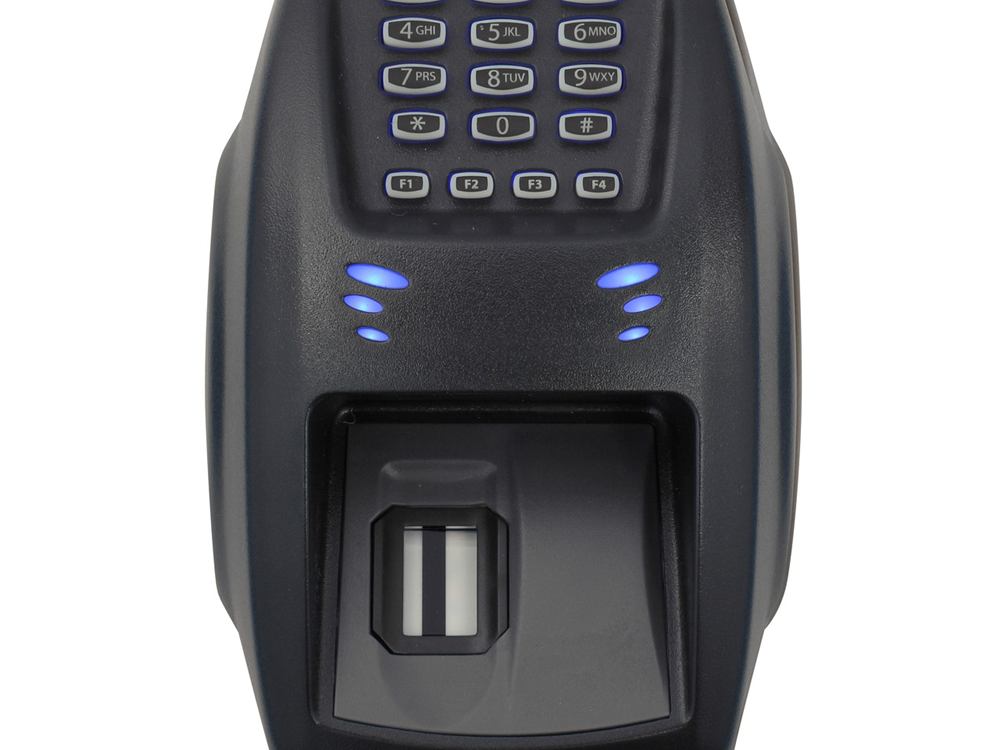
- Four fingerprints are scanned. Children under 12 skip this step but are still registered; our guide to travelling with kids covers what else they need.
- The guard checks the usual entry conditions, such as the purpose of your trip and enough money for it, and records the date and place of entry.
On later trips, your file already exists, so the check is shorter: the system confirms your face or fingerprints and adds the new entry or exit. Refusing to give your fingerprints or facial image means you will be refused entry.
Some countries let you save time by pre-registering your passport data and a photo in the EU's official Travel to Europe app up to 72 hours before you arrive. Not every country uses it, and the fingerprints are still taken at the border.
EES also does the 90/180-day arithmetic for the guard. Our Schengen 90/180 rule guide shows how that count works, with examples.
What happens to your data?
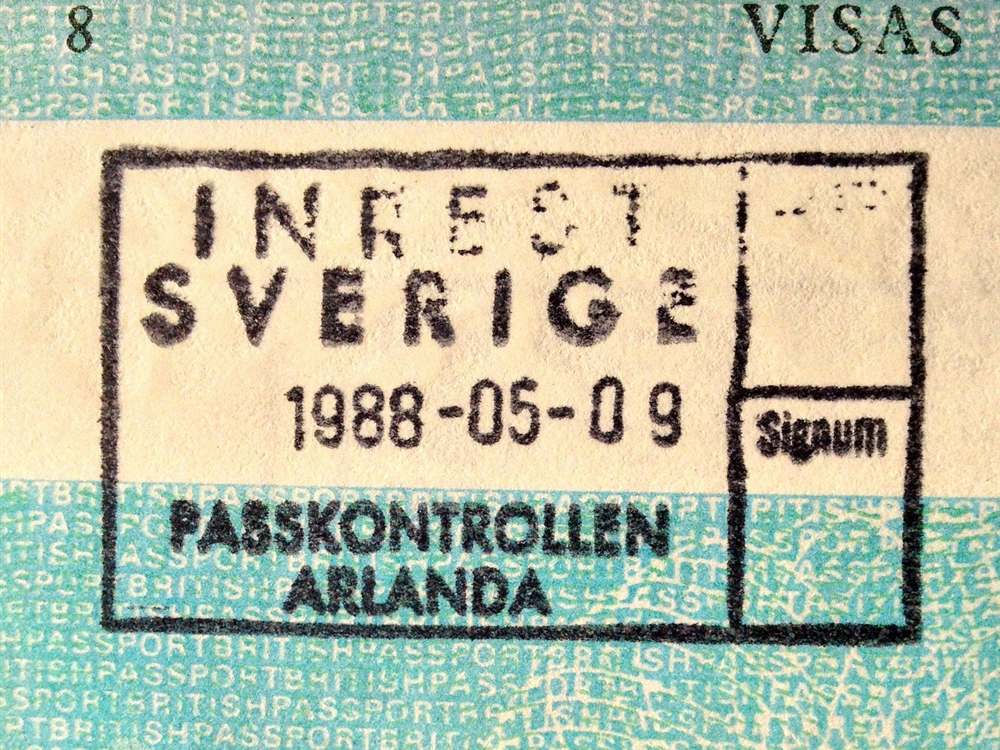
EES replaced passport stamps on 10 April 2026. Your record holds your passport data, facial image, fingerprints, every entry and exit date and place, and any refusal of entry. Under the EES Regulation, it is kept for three years after your last exit. If no exit is recorded after your allowed stay ends, it is kept for five years. Non-EU family members of EU citizens who hold certain residence rights are kept for one year after exit.
The system is busy. In the first three months of 2026, eu-LISA, the agency that runs it, recorded 19,985 refusals of entry and 978,940 exemptions from fingerprinting, mostly children under 12.
What about Dover, Eurotunnel and Eurostar?
On these routes, French border checks happen in the UK before you leave, so EES happens there too. The rollout has been slow. As of early September 2026, Connexion reported that:
- Port of Dover: car passengers get an EES file without fingerprints or a facial image; coach passengers give some biometrics at police desks.
- Eurotunnel: "no change for customers" while it waits for French confirmation of full biometric checks.
- Eurostar at St Pancras: kiosks still in testing as of 13 August, with no fixed date. Eurostar kept its advice to arrive 75 minutes before departure.
The EU rule that let busy borders pause biometric capture ended on 6 September 2026, so check your operator's latest advice in the days before you travel.
What changes when ETIAS starts?
ETIAS is a travel authorization, not a visa, for visa-free visitors to 30 countries: the 29 that use EES plus Cyprus. You apply online, pay €20 (free under 18 and over 70), and most answers come within minutes. It is linked to your passport and valid for three years or until the passport expires. Airlines and other carriers check it before you board.
The EU had aimed for the last quarter of 2026, but the travel booking company Navan reported in July 2026 that this target was removed from the official ETIAS site. The EU says it will announce the date several months in advance. Our ETIAS 2027 guide works through whether it will apply to your trip. When it starts, there will be a transitional period of at least six months, in which you should apply but will not be refused entry without ETIAS, and then a grace period of at least six months for your first entry after the transition.
Apply only on the official EU site or app. The Commission warns that unofficial sites charge extra fees and may misuse your data.
How does EES compare with ETIAS and other entry systems?
| System | Cost | Who needs it | Validity | Pros | Cons |
|---|---|---|---|---|---|
| EU EES | Free | All non-EU short-stay visitors to 29 countries | Record kept 3 years after exit | No application; later crossings are faster | First registration adds time; rollout gaps on UK routes |
| EU ETIAS | €20 | Visa-free visitors to 30 countries | 3 years or until the passport expires | Online, usually approved in minutes | Not live yet; date unknown; copycat sites |
| Schengen short-stay visa | €90 adults, €45 ages 6 to 11 | Nationals of countries without visa-free access | Per visa, up to 90 days in 180 | Covers all 29 countries | Appointment, documents and wait; service centre fees on top |
| UK ETA | £20 since 8 April 2026 | Most visa-free visitors to the UK, including EU citizens | 2 years or until the passport expires | Online, multiple visits | Price has risen twice since 2025 |
| US ESTA | $40 since 30 September 2025 | Visa Waiver Program visitors to the US | 2 years or until the passport expires | Online, multiple visits | Highest fee of the online permits |
Who needs what: if you hold a US, Canadian, UK or Australian passport, you need EES now and ETIAS once it starts, but no visa. If your nationality needs a Schengen visa, you need the visa and EES, but never ETIAS. Travellers combining Europe with the UK or the US also need the UK ETA or ESTA for those legs.
How do you get through faster?
- Allow extra time on your first crossing since April 2026, especially at land borders and UK departure points.
- Check whether your arrival country offers pre-registration in the Travel to Europe app.
- Show your residence permit or long-stay visa if you have one, so you are not registered as a short-stay visitor.
- Keep boarding passes as your own record of entries and exits.
- Plan your onward journey before you land: an airport train ticket or a pre-booked airport transfer saves a second queue after passport control.
Through passport control at last? Have a driver waiting instead of joining the taxi queue.
Frequently asked questions
Do I need to apply for EES before I travel?
No. EES registration happens at the border and costs nothing. Some countries let you pre-register passport data and a photo in the official Travel to Europe app up to 72 hours before you arrive.
Do children have to give fingerprints for EES?
Children under 12 are registered with their passport data and a facial image, but they do not give fingerprints.
Is ETIAS required in 2027?
As of October 2026, the EU has not announced a start date. Press reports point to 2027. Once it starts, there will be a transitional period of at least six months in which travellers without ETIAS are not refused entry.
Does EES apply to UK citizens?
Yes. UK citizens visiting the Schengen area for a short stay are registered in EES. UK citizens living in an EU country with a residence document are not.
How long does EES keep my fingerprints?
Three years after your last recorded exit, or five years after your allowed stay ended if no exit was recorded.
Where the figures come from
Checked on 24 October 2026. Official sources first; secondary sources are labelled.
- European Commission: Entry/Exit System (EES)
- European Commission: main differences between EES and ETIAS (28 April 2026)
- European Commission: ETIAS, fee and start date
- Regulation (EU) 2017/2226, Article 34: EES data retention (copy on legislation.gov.uk)
- eu-LISA: EES quarterly report, Q1 2026
- EU Delegation to Montenegro: what EES means for travellers, children under 12
- Connexion: EES at Dover, Eurotunnel and Eurostar, 7 September 2026 (secondary)
- Navan: when does ETIAS go into effect? (secondary)
- The Local: ETIAS fee rises to €20, age exemptions (secondary)
- German Federal Foreign Office: Schengen visa fee adjustment
- Mainly Miles: UK ETA fee rises to £20 from 8 April 2026 (secondary)
- Business Travel News Europe: ESTA fee rises to $40 from 30 September 2025 (secondary)
Related guides
 Schengen rules
The Schengen 90/180 rule explained, with examples
 Airport transfers
What is the fastest way to and from Europe's main airports?