Passport validity
How long must your passport be valid for Europe?
For anyone checking their passport before booking a trip to Europe: the two dates the Schengen rules actually look at, six claims that leave travellers at the check-in desk, and the places that ask for more.
The short version
Not six months. Two dates, two checks, for a non-EU passport in the Schengen area:
- Date of issue: less than 10 years before the day you arrive.
- Date of expiry: at least 3 months after the day you leave.
EU citizens only need a passport or ID card valid on the day of travel. Turkey and Serbia ask for more.
On this page
"Six months left on your passport" is the rule everyone quotes, and it is not the one Schengen border guards apply. The real test, set by Article 6 of the Schengen Borders Code, uses two different dates, and one of them catches people whose passports still have most of a year to run.
Which two dates on your passport count?
Here is a specimen data page checked against a real-looking trip: arriving in the Schengen area on 10 May 2027 and leaving on 24 May 2027.
- Date of issue, 2 April 2017. It must be less than 10 years before the day you arrive, so this passport works only for arrivals up to 1 April 2027. For a 10 May arrival it fails, with nearly eight months still to run.
- Date of expiry, 2 January 2028. It must be at least 3 months after the day you leave. Leaving on 24 May 2027 means 24 August 2027 or later, so this one passes.
- Nationality. If it names an EU country, neither rule applies: the passport only has to be valid on the days you travel.
- Machine-readable lines. They carry the expiry date (280102 means 2 January 2028) but not the date of issue, so read the issue date on the page yourself.
A passport like this, with more than 10 years between issue and expiry, is not a mistake. GOV.UK warns that British passports renewed before 1 October 2018 can have a date of issue more than 10 years ago, which makes them invalid for the Schengen area even when the expiry date looks safe.
Six claims, checked
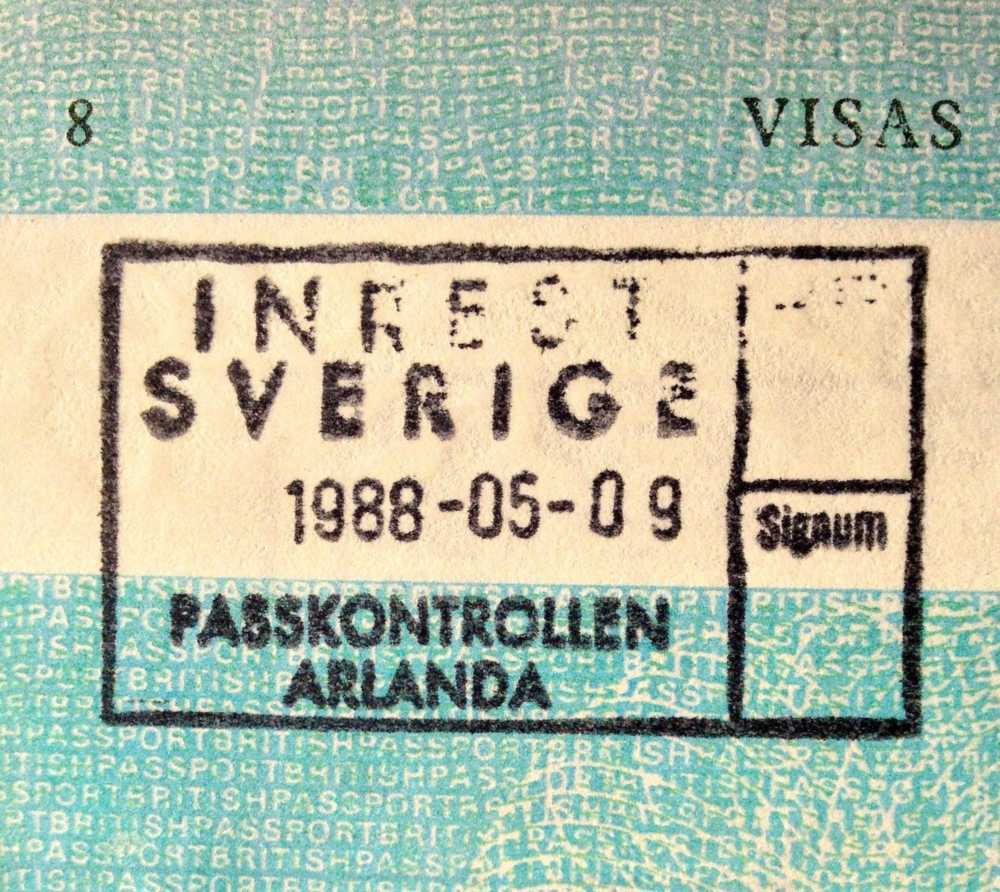
1. "You need six months left on your passport."
False for the Schengen area. The legal minimum is 3 months after the day you plan to leave. Six months is a buffer that some travel sites and governments advise, partly because it also covers stricter places outside Europe. Inside Europe, only Turkey comes close, at 150 days from arrival.
2. "The three months count from the day you arrive."
False. They count from your intended departure from the Schengen area as a whole, which on a multi-country trip means the day you leave the last Schengen country. A border guard can ask for your return ticket to see that date.
3. "If the expiry date is fine, the passport is fine."
False. The 10-year issue rule has applied since 19 July 2013 and is a separate test. The expiry date does not need to be within 10 years of the issue date, but the issue date must be less than 10 years before you arrive.

4. "Everyone needs the extra three months."
False. The EU's Your Europe portal says an EU citizen's passport or ID card must be valid on the day of travel, including when coming home from outside the EU. A national ID card is enough for the EU and for Iceland, Liechtenstein, Norway and Switzerland.
5. "That is the border guard's problem, not the airline's."
False. Under Directive 2001/51/EC, a carrier that brings in a passenger who is refused entry must take that person back, and EU countries fine carriers at least €3,000 per passenger (or set a maximum of at least €5,000). That is why check-in staff refuse to board passports that fail either date.
6. "There is no way round it."
Mostly true. The Borders Code lets a border guard waive the three months "in a justified case of emergency", but that is a decision at the border, not something to plan around, and the text attaches no such waiver to the 10-year issue rule. If your passport fails, renew it.
Which European countries ask for more?
Outside the Schengen area the rules change, and two popular add-ons are stricter. The table follows GOV.UK's published entry requirements; visitors with other passports should check their own government's advice too.
| Destination | Expiry at least | Counted from | Issued within 10 years? | Also needed |
|---|---|---|---|---|
| Schengen area (29 countries) | 3 months | The day you leave the area | Yes, on the day you arrive | Nothing yet: ETIAS has no start date |
| Cyprus | 3 months | The day you leave | Yes | 1 blank page |
| Montenegro | 3 months | The day you leave | Yes | None listed |
| Albania | 3 months | The day you leave | Not listed | None listed |
| Serbia | 90 days | The day you leave | Not listed | None listed |
| Turkey | 150 days | The day you arrive | Not listed | 1 blank page |
| United Kingdom | The whole stay | Not applicable | Not listed | An ETA (£20) for most visa-free visitors |
Which rule to plan for: the strictest one on your route. A Greece and Istanbul trip is decided by Turkey's 150 days from arrival, not by Schengen's three months. Croatia plus Belgrade means 90 days after you leave Serbia. A Europe trip ending in London is easiest: the UK only asks that the passport outlasts your stay, plus the ETA.
Passport passes both checks? Then the trip starts with the flight.
What if your passport fails the check?

- Do the sum before you book. Take the last day of your trip, add three months, and compare it with the expiry date. Then take the first day and check the issue date is less than 10 years earlier.
- Renew first, book second. If you must book now, choose fares you can change, and update the passport number in every booking that asks for it once the new one arrives.
- Dual nationals: travel on the EU passport. It removes both tests.
- Remember what is tied to the old passport. ETIAS, once it starts, is linked to a single passport, so a new passport will need a new application; our ETIAS 2027 guide has the timeline.
Passport validity is separate from how long you may stay: up to 90 days in any 180, now counted by the Entry/Exit System. Our 90/180 rule guide shows how to count them, and the EES guide covers what happens at the border. Taking children? Our guide to travelling with kids covers their passports and consent letters.
Frequently asked questions
Does my passport need six months left to visit Spain?
No. Spain is in the Schengen area, so a non-EU passport must have been issued less than 10 years before you arrive and expire at least 3 months after you leave. Six months is a cautious buffer, not the rule.
My passport expires in two months. Can I still go to Paris for a weekend?
Not on a non-EU passport: it needs at least 3 months left after the day you leave. On an EU passport or national ID card you can, as long as it is valid on the days you travel.
Does the three-month count start from my flight home?
It starts from the day you plan to leave the Schengen area. If you finish a trip with a few days in London, the count starts on the day you leave France or Belgium for the UK, and the UK then only asks for a passport valid for your whole stay.
Do children follow the same passport rules?
Yes. Every child needs their own passport, or their own ID card for EU citizens, and the same two dates are checked as for adults.
Do EU citizens need a passport at all?
Not inside the EU or for Iceland, Liechtenstein, Norway and Switzerland: a valid national ID card is enough. A driving licence or bank card is not a travel document.
Where the figures come from
Checked on 1 November 2026. Official sources first; secondary sources are labelled.
- EUR-Lex: Regulation (EU) 2016/399, the Schengen Borders Code, Article 6 entry conditions
- Lithuanian Ministry of Foreign Affairs: the 10-year issue rule in force since 19 July 2013
- Your Europe: travel documents for non-EU nationals (last checked by the EU on 19 August 2026)
- Your Europe: travel documents for EU nationals (last checked by the EU on 16 June 2026)
- EUR-Lex summary: Directive 2001/51/EC, financial penalties on passenger carriers
- GOV.UK: Spain entry requirements, including passports renewed before 1 October 2018
- GOV.UK: France entry requirements
- GOV.UK: Cyprus entry requirements
- GOV.UK: Montenegro entry requirements
- GOV.UK: Albania entry requirements
- GOV.UK: Serbia entry requirements
- GOV.UK: Turkey entry requirements
- GOV.UK: Visit the UK as a Standard Visitor (passport valid for the whole stay, ETA)
Related guides
 Schengen rules
The Schengen 90/180 rule explained, with examples
 EES and ETIAS
EES explained: what happens at Europe's border in 2027