Money and exchange
Currency conversion at the card terminal: how do you avoid overpaying?
"Pay in euros or in your own currency?" The card terminal asks a simple question, and the wrong answer can quietly add 5% to 13% to the bill. Here is what is behind it and how to say no.
The short version
When a card terminal or ATM abroad offers to charge you in your home currency, say no and pay in the local currency. Saying yes is called dynamic currency conversion (DCC): the shop's payment provider converts the amount at its own rate. On 22 October 2026, Raiffeisenbank in Croatia published a 5% markup over the European Central Bank (ECB) reference rate for this at its card terminals and 13% at its ATMs. Paying in local currency with a travel card such as Revolut costs nothing extra on weekdays within its limits. EU rules make the provider show its markup before you pay, but do not cap it. If staff choose your home currency for you, ask them to cancel and run the payment again.
On this page
Who is this guide for?
Anyone paying by card or taking cash from an ATM in a country whose currency differs from their card's: a British visitor in Spain, a Pole in Croatia, an American in Czechia. The figures were checked on 22 October 2026.
What is dynamic currency conversion?
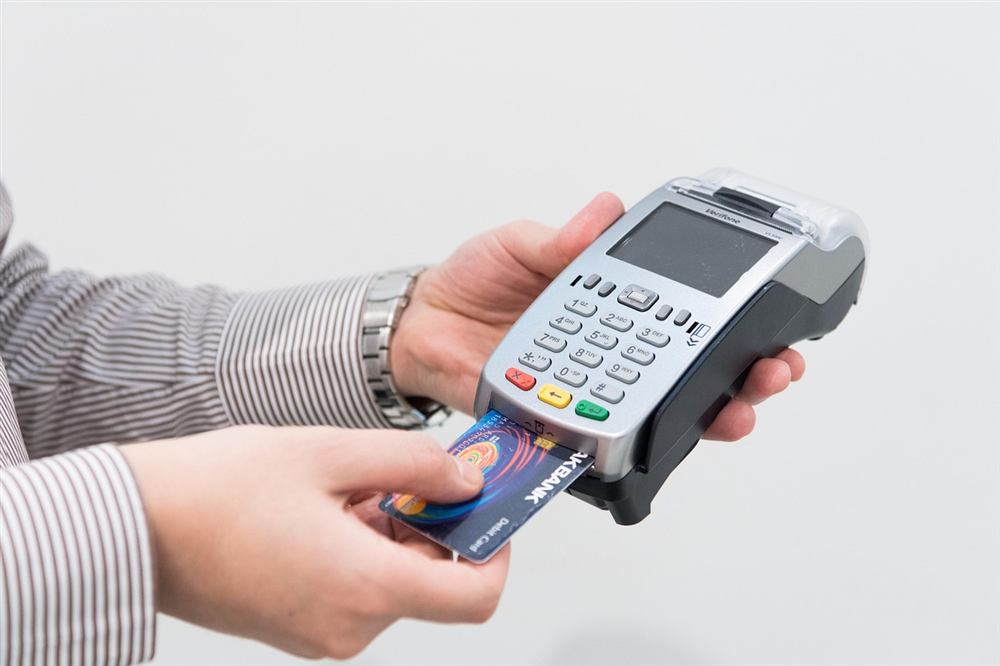
It is an offer from the shop's payment provider to convert the bill into your card's currency on the spot. The terminal shows the bill twice, for example in euros and in pounds, and asks which one you want. If you pick the local currency, your own bank converts the amount at its rate. If you pick your home currency, the shop's provider sets the rate and keeps the markup.
The offer looks helpful because you see a familiar number. But you are being asked to accept a rate you cannot easily check, at the moment when you just want to pay.
How much does paying in your home currency cost?
Providers in the EU must publish their markups, so they are not secret. Raiffeisenbank in Croatia, which offers DCC to foreign cardholders, listed these on 22 October 2026: 5% over the ECB reference rate at its card terminals and 13% at its ATMs, the same for every currency it converts. The chart puts those next to what you pay when you choose the local currency.
Other providers set their own markups, and older consumer tests found a wide range. Consumer-group tests cited by the European consumer organisation BEUC in 2017 found that DCC raised the price by 2.6% to 12% every time it was used. The point is the same: the markup is usually larger than anything your own card charges.
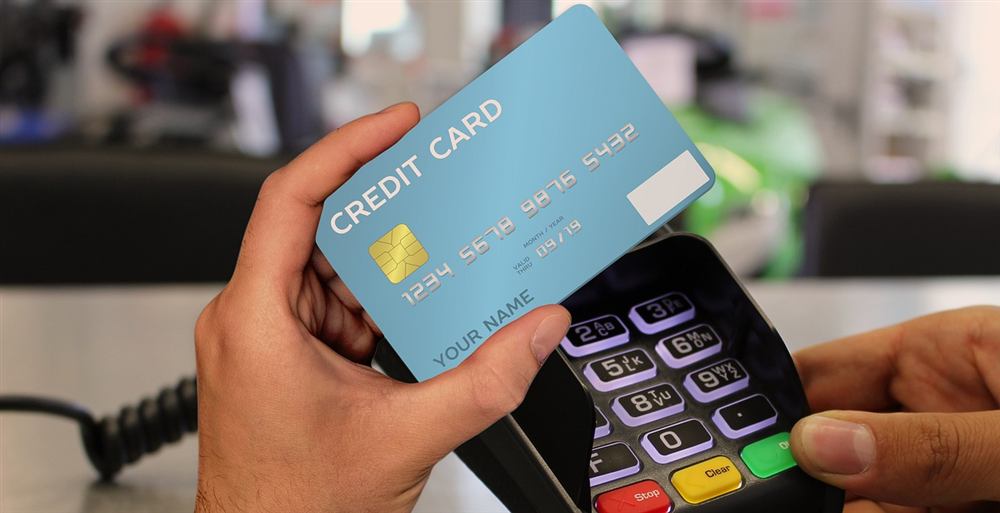
How do I pick the right option on the terminal?
- Look at the screen before you tap or enter your PIN. If you see two amounts, or a line like "3.5% over ECB rate", you are being offered DCC.
- Choose the local currency. In the euro area that is EUR; in Czechia, CZK; in Poland, PLN. Some screens word it as "pay in local currency", "decline conversion" or "without conversion".
- Do not let staff choose for you. In restaurants the waiter often holds the terminal. Say "local currency, please" before they hand it over. If it has already been converted, ask them to cancel and run it again.
- Check the receipt. A DCC receipt shows the exchange rate and markup. If you see your home currency and did not agree to it, keep the receipt.
- Watch for the same offer elsewhere. ATMs, hotel check-out, car rental desks and foreign websites at checkout can all offer to "charge you in your currency". The answer is the same.
Is it ever worth saying yes? Only if your card charges a high foreign fee and the markup on screen is lower than that fee. With a 2.99% card fee against a 5% markup, local currency still wins. A no-fee card removes the question; see our guide to getting the best exchange rate in Europe.
What do EU and card network rules say?
Under Article 4 of Regulation (EU) 2021/1230, anyone offering currency conversion at an ATM or card terminal in the EU must show the total conversion charge as a percentage markup over the latest ECB reference rate, and do so before the payment starts. Spain's central bank sums it up: you must be told, "in a clear and accessible manner, prior to initiation of payment", the rate and fees that apply. The rule does not ban DCC or cap the markup.
The card networks add their own protection. Visa's dispute rules cover cases where "the cardholder was not advised or did not agree" that DCC would occur, and the merchant has to prove you actively chose it. If you were charged in your home currency without being asked, contact your bank and ask for a dispute. It helps to act quickly and to have the receipt.
Card fraud and theft are a separate matter, covered by different rules; see how to keep your money and documents safe while travelling.
Local currency, home currency or cash: which is cheapest?
| Option | Cost vs reference rate | Where it works | Flexibility and refunds | Pros | Cons |
|---|---|---|---|---|---|
| Local currency on a travel card (Revolut Standard) | 0% on weekdays up to €1,000 a month; 0.5% above; 1% at weekends | Wherever Visa or Mastercard is accepted | Freeze the card in the app; normal card disputes | Cheapest on weekdays | Weekend and over-limit fees; needs an app account |
| Local currency on your normal bank card | Your bank's foreign fee (Barclays debit: 2.99%) | Wherever cards are accepted | Normal card disputes | No setup; rate set by the card network | Fee varies widely; check your bank's price list |
| Home currency at a card terminal (DCC) | Raiffeisenbank Croatia: 5% | Terminals that offer it | Disputable only if you were not asked | You see the final amount in your currency | Usually the most expensive way to pay by card |
| Home currency at an ATM (DCC) | Raiffeisenbank Croatia: 13% | ATMs that offer it | Cannot be undone once you accept | None that a lower-fee option does not beat | Highest markup we found; ATM fees may come on top |
| Cash from a good city exchange office | 0.2% to 1% in our October 2026 check | Office hours, in the city | Czechia: 3 hours to cancel up to €1,000 | No card fees at all | No protection if lost or stolen; takes time |
Who should pick what: if you travel often, a travel card used in local currency on weekdays is the cheapest option. If you only have your normal bank card, still choose the local currency: even a 2.99% fee beats the DCC markups published here. Keep a little local cash for places that do not take cards, and change it in the city, not at the airport. Book tours and attraction tickets ahead online, and check which currency you are charged in before you confirm.
Sort out tours and attraction tickets before you go, and check the currency at checkout.
Frequently asked questions
Should I pay in local currency or my home currency abroad?
Pay in the local currency. If you choose your home currency, the terminal's provider converts the amount at its own rate. On 22 October 2026, Raiffeisenbank in Croatia published a 5% markup over the ECB reference rate for this at its card terminals and 13% at its ATMs.
Is choosing my home currency ever cheaper?
Rarely. If your card charges a foreign transaction fee, choosing your home currency avoids that fee, but the conversion markup is usually larger. Barclays, for example, charges 2.99% on non-sterling debit card payments, while the published markups we found were 5% at terminals and 13% at ATMs. Compare the markup on the screen with your card's fee.
What if the waiter or shop already chose my home currency?
Ask them to cancel the payment and run it again in the local currency before you enter your PIN or tap. Under Visa's dispute rules, a payment converted when you were not told or did not agree can be disputed through your bank, so keep the receipt.
Do EU rules limit the markup on currency conversion at card terminals?
No. Regulation (EU) 2021/1230 requires the provider to show the total conversion charge as a percentage markup over the latest ECB reference rate before you pay, but it does not cap it.
Does this happen at ATMs too?
Yes, and the markup is often higher. Choose to be charged in the local currency, sometimes labelled as declining the conversion or continuing without conversion. Raiffeisenbank in Croatia published a 13% markup at its ATMs on 22 October 2026.
Where the figures come from
Checked on 22 October 2026. Markups and fees change; the figure on the terminal screen at the time of payment is the one that applies.
- Raiffeisenbank Austria (Croatia): DCC exchange rate list for card terminals, 22 October 2026
- Raiffeisenbank Austria (Croatia): DCC exchange rate list for ATMs, 22 October 2026
- Regulation (EU) 2021/1230 on cross-border payments in the Union, Article 4
- European Banking Authority: Q&A 2023_6777 on Article 4 of Regulation 2021/1230
- Banco de España: how to compare foreign exchange options
- Visa: dispute condition 12.3, incorrect currency
- BEUC: dynamic currency conversion position paper, 2017
- Barclays: using your debit card abroad, non-sterling transaction fee
- Revolut: currency exchange fees and limits